


Ford Transit vs Mercedes Sprinter: Which Van is Best for Your Texas Business?
Business owners in San Antonio have to balance everything from the demands of the summer heat, traffic on I-10, long hauls across Bexar County, and marketing effectively in such a competitive area. Finding a reliable vehicle for your business operations can help you conquer all of these unique challenges that come with owning and operating a business in San Antonio.
By comparing the Ford Transit vs Mercedes Sprinter side-by-side, you can determine which one provides the best resale value and functionality for your industry. Let’s break down the details of these two vans and see which one deserves a spot in your San Antonio fleet.
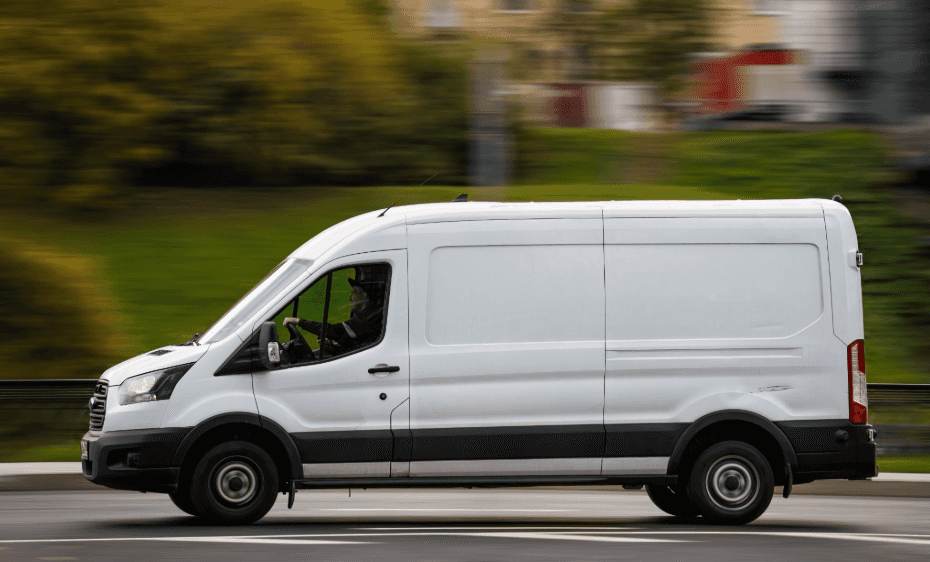
Which Van is Best for Your Texas Business?
Which Cargo Van has the Least Problems?
As a business owner, reliability becomes a top priority. A business’s fleet plays a massive role in daily operations, and having a vehicle sitting in the shop means losing out on money.
What are the Reliability Pros and Cons of the Ford Transit?
The Ford Transit has a reputation for being especially reliable for business owners since its parts are so easy to come by and its gas engine is easy for mechanics to work on. Ford is a US-based brand, so finding a dealership or shop that can help you with parts and servicing isn’t a challenge. This accessibility can help your business stay on the road and out of the shop.
Ford Transit Pros
- Lower initial purchase price and cheaper parts.
- Service is accessible at almost any local San Antonio mechanic.
- Simpler engine designs often lead to fewer high-cost surprise repairs.
Ford Transit Cons
- Lower high-mileage ceiling than diesel counterparts.
- Early models have been found to be less reliable.
What are the Reliability Pros and Cons of the Mercedes-Benz Sprinter?
The Mercedes-Benz Sprinter has built a reputation for long-term durability throughout the years. The engine in a Sprinter can reach long distances over 300,000 miles if you go for the turbodiesel option and are religious about the maintenance schedule.
However, the Sprinter has a really complex emissions system and requires diesel exhaust fluid, so repairs will need to be more specialized, which also makes them more expensive. This is the trade-off you’ll make between long life and the complexity of the Sprinter van’s systems.
Mercedes Sprinter Pros
- Exceptional long-term durability with the potential for massive mileage.
- High-quality build materials that stand up to years of heavy use.
- Stronger resale value in the used market.
Mercedes Sprinter Cons
- Complex diesel emissions systems can be prone to expensive sensor failures.
- Specialized parts may take longer to arrive if they aren’t in stock locally.
Ford Transit vs Mercedes Sprinter: Which is Cheaper to Maintain?
Keeping your business as profitable as possible means staying on top of vehicle maintenance. Minor wear and tear has the potential to turn into major problems down the road if ignored, especially when you’re working against the Texas heat.
When you’re choosing between the Ford Transit and Mercedes Sprinter for your business, the amount you’ll be spending on maintenance month to month is a huge factor in your decision.
How Much Does it Cost to Service a Ford Transit?
Choosing the Ford Transit likely means that you’ll end up spending less on fleet maintenance and parts. The Ford Transit uses a standard gas engine, which makes its parts more affordable and the systems less complex. Routine preventative maintenance tasks like oil changes and brake jobs are going to be less expensive compared to the Mercedes-Benz Sprinter van.
Most local mechanics in the San Antonio area are comfortable working on Ford platforms, which means you aren’t limited to a specialized dealership when you need a quick tune-up or a new set of tires.
Ford Transit Maintenance Pros
- Lower cost for routine items like oil, filters, and brake pads.
- Parts are stocked at almost every auto parts store in South Texas.
- A standard gas engine doesn’t require diesel exhaust fluid (DEF) or expensive filter cleanings.
Ford Transit Maintenance Cons
- Requires more frequent service visits, typically every 10,000 miles.
- Rear brake rotors can be labor-intensive and expensive to replace on some models.
Is the Mercedes Sprinter Expensive to Maintain?
Like all of Mercedes-Benz’s models, the Sprinter van is a luxury vehicle, so its service bill is going to reflect that status. Mercedes-Benz is a German manufacturer, so parts have to be imported, which makes them more expensive.
Along with this, any maintenance you get on the Mercedes Sprinter van is specialized since the systems are more complex, so it’s going to cost you more than you might pay to get a Ford Transit worked on.
However, the Sprinter often requires fewer service visits per year because of its extended intervals. You have to weigh the cheaper and more frequent Ford service against the expensive but less frequent Mercedes visits.
Mercedes Sprinter Maintenance Pros
- Longer service intervals, often going 20,000 miles between oil changes.
- High-quality fluids and filters are designed for extreme durability.
- Fewer annual trips to the shop can mean less total downtime for your crew.
Mercedes Sprinter Maintenance Cons
- Individual service visits can cost hundreds or even thousands of dollars more.
- Specialized diesel engine maintenance requires factory-trained technicians.
What is the Gas Mileage on a Sprinter vs Transit?
Fuel efficiency is another important factor for San Antonio business owners to look at when they’re shopping for a new fleet vehicle. When you’re constantly driving between San Antonio and Austin, the money you spend on gas can add up quickly.
Is the Diesel Mercedes Sprinter Van Fuel Efficient?
The Mercedes-Benz Sprinter has a diesel engine, which means it’s going to win the Ford Transit vs Mercedes Sprinter mpg battle. The Sprinter has an average 21.5 mpg, depending on how much gear you’re carrying.
The efficiency of the Sprinter makes it a top choice for lots of San Antonio-based businesses that do long-distance hauls across Texas. The high torque of the turbodiesel engine allows the van to maintain its speed incredibly well without it getting overworked.
Mercedes Sprinter Fuel Economy Pros
- Higher average mpg of around 20-22 on the highway.
- Exceptional range allows for fewer stops at the pump during long trips.
- Diesel engines provide the torque needed for heavy hauling without sacrificing efficiency.
Mercedes Sprinter Fuel Economy Cons
- Diesel prices in San Antonio are typically higher than regular gasoline.
- Requires diesel exhaust fluid (DEF) every few thousand miles.
Does the Ford Transit Gas Engine Perform Well?
The Ford Transit typically comes with a V6 gas engine or the powerful EcoBoost option. The Ford Transit has incredible acceleration and a super smooth ride, but it guzzles fuel a lot quicker compared to the Sprinter.
You can expect to see anywhere from 15 to 19 mpg on average, depending on whether you choose the RWD or AWD Transit. The good news is that the fuel costs between the Transit and Sprinter might even out since gas is a lot cheaper than diesel in San Antonio, so you actual cost per mile may be lower.
Ford Transit Fuel Economy Pros
- Regular gasoline is available at every station and is currently cheaper than diesel in Bexar County.
- EcoBoost engine offers quicker acceleration for merging onto busy San Antonio highways.
- No need to manage DEF or complex diesel emissions filters.
Ford Transit Fuel Economy Cons
- Lower overall mpg, especially when the van is at its maximum payload.
- Smaller fuel tank compared to the Sprinter means more frequent stops.
How Do the Interior Space and Cargo Capacity Compare Between the Transit and Sprinter?
The dimensions and cargo space of a fleet vehicle can make or break your daily productivity. Especially if you plan to upfit your van, you need to know if the shelves and drawers are going to actually fit inside.
What is the Interior of the Sprinter Van Like?
The Mercedes-Benz Sprinter is famous for its high roof and different wheelbase width options, which make it a great blank canvas for customization. It offers a tall vertical cargo area that makes standing up while working easier than ever. It has a slightly narrower floor than the Ford Transit does, but the vertical space makes up for it.
The interior of the Sprinter is crafted with high-quality materials that make it feel more refined than the Transit. This can be a nice touch for drivers who spend long hours on I-35.
Mercedes Sprinter Interior and Cargo Space Pros
- The high roof model allows even tall adults to stand up straight with plenty of ground clearance.
- Offers a maximum cargo volume that can exceed 500 cubic feet in the extended versions.
- Vertical side walls make it easier to install floor-to-ceiling shelving units.
Mercedes Sprinter Interior and Cargo Space Cons
- The narrower floor can make it difficult to fit certain wide pallets side-by-side.
- The higher step-in height can be taxing for drivers who are constantly getting in and out.
Is the Interior of the Ford Transit Versatile?
The Ford Transit van has a wider body, which is a huge advantage for specific types of cargo van use. If you’re building a campervan or a delivery van that needs a wide bed or wide racks, this floor plan is very helpful.
One of the biggest advantages of the Ford Transit is its wider body. This can be a huge advantage if you need to accommodate wider cargo or wide racks. The transit has a square interior that can make it a lot easier to fit aftermarket accessories and shelving inside.
It also comes with three different roof heights, so you can find the right balance between space and parking garage access for your business.
Ford Transit Interior and Cargo Space Pros
- The wider floor space allows for more horizontal storage and easier movement around large items.
- Lower step-in height makes it more comfortable for local San Antonio delivery routes.
- Highly customizable with a wide range of factory and third-party upfitting options.
Ford Transit Interior and Cargo Space Cons
- Maximum cargo volume is slightly less than the largest Sprinter configurations.
- The interior materials are built for durability rather than comfort, giving it a more utilitarian feel.
Frequently Asked Questions
Managing a commercial fleet in San Antonio requires having all the facts. Here are the answers to the most common questions we hear at Northside Fleet Center.
How Many Miles Can a Sprinter Van Go on a Full Tank of Gas?
A Mercedes Sprinter van is designed for the long-haul routes common in South Texas. Depending on the engine and load, a diesel model can typically travel between 450 and 580 miles on a single tank. If you’re driving a newer gasoline version, you can generally expect a range of about 400 to 460 miles before needing to stop at a station in San Antonio.
What are Common Ford Transit Problems?
The Ford Transit is a reliable choice, but like any vehicle, it has specific areas that need attention. Common issues reported by fleet owners include:
- Turbocharger wear: On EcoBoost models, the turbo can face strain if oil changes aren’t kept up.
- Transmission hesitation: Some earlier models experienced rough shifting between lower gears.
- Electrical sensors: Minor glitches with backup cameras or door sensors are sometimes reported.
- Brake wear: In stop-and-go San Antonio traffic, the pads and rotors can wear down faster than expected.
What is the Lifespan of a Sprinter?
The lifespan of a Mercedes-Benz Sprinter is one of its biggest selling points for Texas businesses. With proper maintenance, a diesel Sprinter can easily exceed 300,000 miles, and it isn’t uncommon to see them reach 450,000 miles. The newer gas-powered models are typically expected to last between 200,000 and 250,000 miles before requiring major engine work.
How much is a Mercedes Sprinter vs Ford Transit in San Antonio?
Pricing in the San Antonio market reflects the different positions these vans hold. A new Ford Transit generally starts around $50,000 to $54,000, depending on the configuration. A Mercedes Sprinter typically carries a higher entry price, often starting between $53,000 and $58,000, with specialized diesel or high-roof models reaching much higher.
Partner with Northside Fleet Center to Build Your San Antonio Fleet
At Northside Fleet Center, we specialize in helping Texas business owners build fleets they can depend on. Whether you’re leaning toward the versatility of the Ford Transit van or the long lifespan of the Mercedes Sprinter, our team is here to help.
Take the next step in growing your business by visiting Northside Fleet Center today. We look forward to helping you find the perfect van to handle the toughest jobs in San Antonio.
0 comment(s) so far on Ford Transit vs Mercedes Sprinter: Which Van is Best for Your Texas Business?